
Sweet 16 & Screen Addiction: A Holistic Guide for Parents (TCM + Psychology)
Dec 07, 2025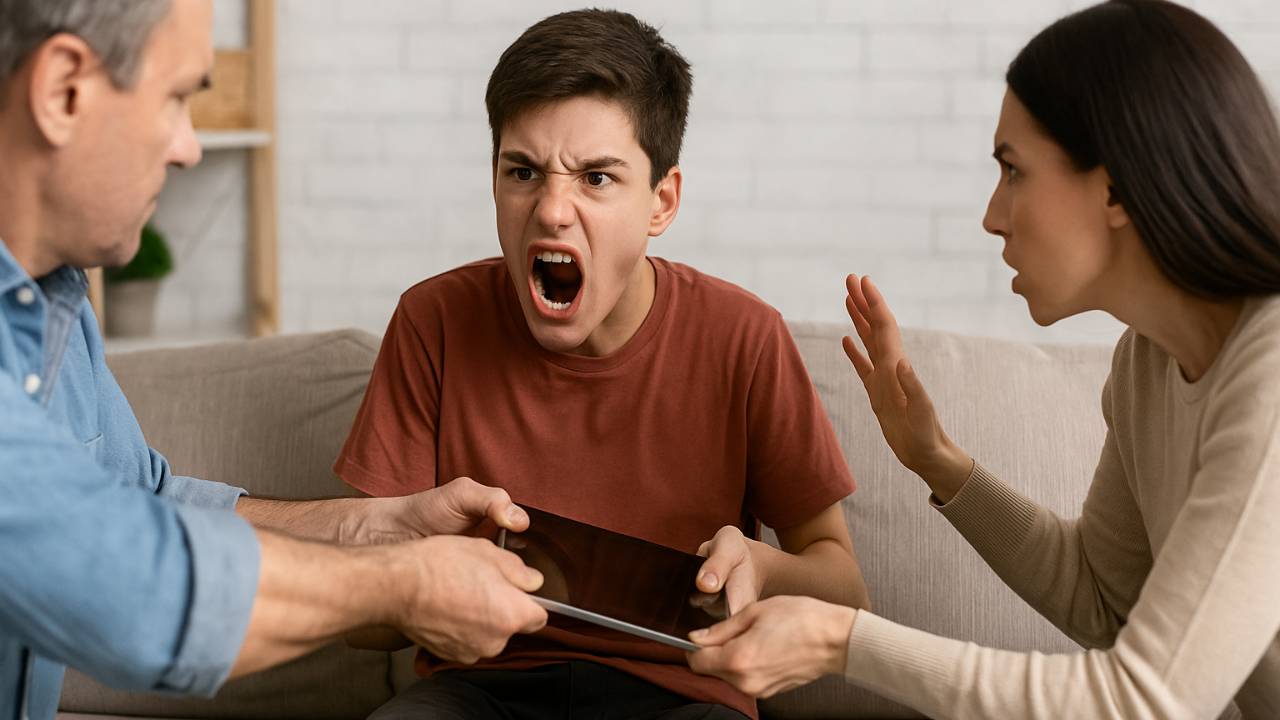
Sweet 16 & Screen Addiction: A Holistic Perspective (TCM + Psychology)
By PH7 Balance™ | Integrating Ancient Wisdom & Modern Science
Opening: What Happened to “Sweet 16”?
Recently, I’ve been hearing from many parents who have 16-year-olds at home struggling with severe screen addiction. Not only do these teens become explosive when screen time is stopped or paused—some even lash out physically at their parents.
This raises a painful but necessary question:
What happened to the “sweet 16” phase? Is it still sweet? Why does this age seem particularly vulnerable? And do parents also play a role—knowingly or unknowingly—in shaping this behavior?
Today, let’s explore this phenomenon through an integrated lens—Traditional Chinese Medicine (TCM) and modern psychology—to understand the root causes and guide families back toward balance.
1. Why Age 16 Is So Vulnerable to Screen Addiction
At 16, teens are navigating one of the most complex phases of human development:
-
Strong emotional responses
-
Identity formation
-
Heightened peer comparison
-
Academic pressure
-
Desire for independence
-
Underdeveloped executive functioning
Combine this with unlimited access to screens, social media, and gaming platforms designed for high dopamine stimulation, and we have a perfect storm for screen dependency.
2. TCM Perspective: When Qi Imbalance Meets Modern Technology
From the viewpoint of Traditional Chinese Medicine, screen addiction does not happen in isolation. It is a reflection of deeper energetic imbalances influenced by emotions, lifestyle, environment, and developmental stage.
Liver Qi Stagnation
Many 16-year-olds carry emotional stress, frustration, or internal pressure. When emotions are not expressed or regulated well, Liver Qi becomes stagnant, leading to:
-
Irritability
-
Anger outbursts
-
Impulsivity
-
Escaping into screen time
-
Explosive reactions when screens are removed
Screens become an emotional “escape valve,” worsening the stagnation cycle.
Spleen Qi Deficiency
Long hours of sitting + snacking + mental overstimulation → weakens Spleen Qi.
Symptoms include:
-
Poor focus
-
Fatigue
-
Difficulty with schoolwork
-
Anxiety
-
Lack of motivation
Teens then rely on screens for instant stimulation because their natural energy is depleted.
Kidney Essence (Jing) Depletion
At age 16, Kidney energy is still developing.
Late nights, constant stimulation, and irregular routines further drain Jing, causing:
-
Sleep problems
-
Low resilience
-
Poor memory
-
Emotional volatility
Heart Shen Disturbance
Screens overstimulate the Heart and spirit (Shen), leading to:
-
Restlessness
-
Difficulty concentrating
-
Irritability
-
Emotional instability
-
Insomnia
In TCM, calming the Shen is essential for regaining control over behaviour.
3. Psychological Perspective: How Screens Hijack the Teen Brain
Dopamine Dysregulation
TikTok, gaming, YouTube, Instagram—these platforms deliver micro-dopamine hits every few seconds.
The brain adapts by craving:
-
fast rewards
-
high stimulation
-
zero effort
Everyday life (homework, chores, conversations) becomes “too boring.”
Emotional Avoidance
Screens help teens escape uncomfortable feelings:
-
loneliness
-
anxiety
-
pressure
-
conflict
-
low self-esteem
When screens become the main coping tool, dependency forms quickly.
Social Comparison & Validation
At 16, peers feel like the center of the universe.
Likes, comments, and online attention create a psychological loop of:
-
“Am I enough?”
-
“Do people like me?”
-
“Why does everyone else look better/happier/smarter?”
This fuels both anxiety and addictive use.
Executive Functioning Under Construction
The part of the brain responsible for:
-
impulse control
-
long-term planning
-
emotional regulation
…is still developing until age 25.
Teens simply do not have the built-in brakes adults expect them to have.
4. Do Parents Play a Role? The Honest Answer
Yes—and not in a blaming way, but in a reality way.
Most parents did not grow up with smartphones.
Families today are learning in real time without a guidebook.
Parents unknowingly contribute when they:
-
use screens as a babysitter
-
allow phones in bedrooms
-
rely on screens during family stress
-
model distracted screen behaviour themselves
-
avoid conflict by giving in to demands
-
do not set consistent boundaries early on
This is not about guilt—it’s about awareness.
When parents regulate themselves, teens learn emotional regulation through co-regulation.
5. What Parents Can Do: TCM + Psychology Solutions
✅ A. TCM-Inspired Solutions
1. Move Qi Daily
-
Outdoor walks
-
Stretching
-
Light exercise after school
This reduces Liver Qi stagnation and emotional buildup.
2. Strengthen Spleen Qi
-
Warm meals
-
Avoid cold drinks + sugar
-
Regular eating schedule
-
Screen-free meals
3. Protect Kidney Energy
-
Consistent sleep routine
-
Reduce late-night blue light
-
Nature exposure on weekends
4. Calm the Shen
-
Evening wind-down routine
-
Quiet time without screens
-
Breathing exercises
-
Acupressure (LV3, SP6, PC6, KD3)
✅ B. Psychological Solutions
1. Replace Screen Time (Not Just Remove It)
Teens need alternative dopamine sources:
-
sports
-
arts
-
music
-
clubs
-
volunteering
-
hobbies offline
2. Teach Emotional Skills
Instead of escaping into screens, teach:
-
breathing techniques
-
grounding skills
-
journaling
-
DBT-based distress tolerance strategies
-
“Feel → Name → Release” method
3. Create Healthy Tech Boundaries
-
No screens 1 hour before bed
-
Phones docked outside bedrooms
-
No screens during meals
-
Weekend “digital detox hour” (family-wide)
4. Co-Regulate as a Family
Parent modelling is the strongest intervention:
-
Put your phone away during conversations
-
Show calmness instead of reacting
-
Validate teens’ feelings before giving instructions
5. Identity & Purpose Work
Help teens explore who they really are:
-
What they’re good at
-
What they enjoy offline
-
What gives them meaning
Identity reduces dependency.
Final Thoughts
A 16-year-old struggling with screen addiction is not “broken,” “lazy,” or “rebellious.”
They are overwhelmed by a world that moves too fast, pressures them too heavily, and overstimulates them too easily.
When we combine:
-
TCM regulation of Qi and Shen
with -
psychological tools for emotional resilience and identity formation
…teenagers become more grounded, regulated, and able to reconnect with themselves and their families.
A holistic approach brings the “sweet” back into Sweet 16—even in a digital age.
🌟 Ready to Take the Next Step Toward Balance?
Your journey doesn’t have to stop here.
👉 Explore our self-paced course: [Holistic Wellness 101] to deepen your mind-body connection with practical tools rooted in TCM and modern psychology.
💬 Prefer 1:1 support? Book a personalized PH7 Balance™ Coaching Session and get tailored guidance on your unique wellness path.
✨ Your balance is personal—let’s co-create a plan that works for you.
Stay connected with news and updates!
Join our mailing list to receive the latest news and updates from our team.
Don't worry, your information will not be shared.
We hate SPAM. We will never sell your information, for any reason.